
Playing Everything,
Writing What Works
Raids made me organized, shooters made me calm, and now Azeroth gets my best hours. Everything I learn lands here.
Featured Lanes
Start with the lane that matches your evening
Raid Nights
/ Tested in real groups
Dungeon Routes
/ Step by step

Patch Notes
/ Plain words

About the Author
One Player, Many Games
I am Thomas Ramos, and I rotate games the way others rotate TV shows. Destiny 2 raised me, shooters keep me sharp, and WoW Forever currently owns my evenings. What works gets written down, plainly and from real groups.
10+
Years of Playtime
6+
Games in Rotation
From raid nights to quiet farm evenings

How I Learn a New Game
PLAY
TEST
WRITE
Pick a lane above: every guide here started as one of these three steps.
01
Pick one game
One main, one role. Everything else waits its turn.
02
Learn it properly
One dungeon, one route, one rotation at a time.
03
Write it down
Notes tested in real groups become guides here.
Reader Notes
What Readers Say About These Notes
Short notes from players who tried these guides on real evenings.
“The raid checklist finally got my group through without a single wipe. Calm, clear, no fluff.”
Mark — raid healer
“Patch notes finally make sense. I read the summary and know exactly what changed for my class.”
Jonas — returning player
“Followed the dungeon route twice and both runs felt easy. Best guide format I have used.”

Priya — dungeon enjoyer
“Settings section alone fixed my keybind mess. Everything else was a bonus.”
Sam — weekend gamer
Latest Guides & Impressions
New notes on raids, dungeons, patches and settings. Newest first, no hype attached.
-
Leave Leavers and Toxic Lobbies Behind by Relying on Professional Overwatch Boosting
The round begins on Midtown with your tank immediately typing an angry complaint in team chat…
-
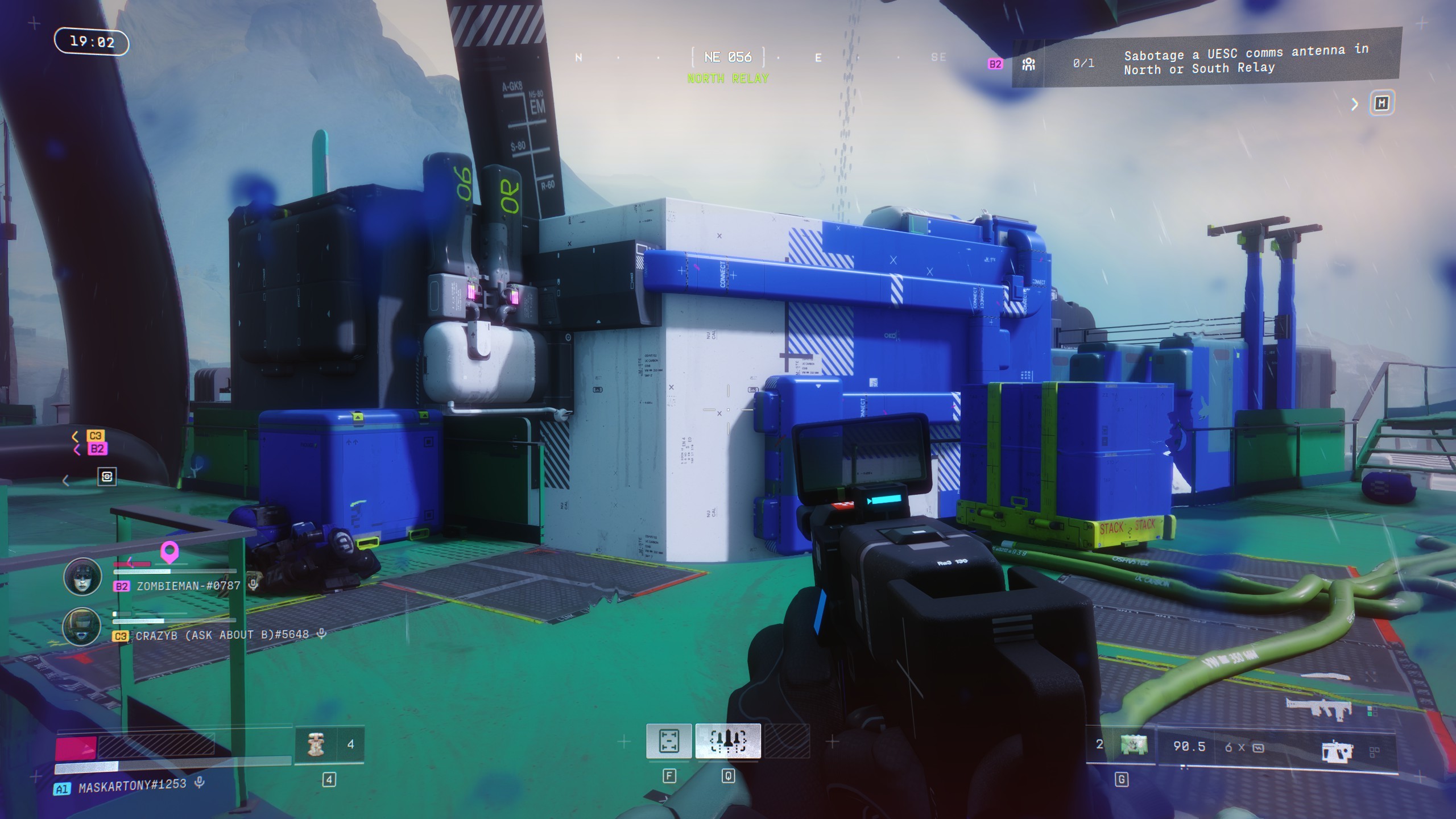
Upgrade Your Cybernetics Fast: Why Using a Marathon Boosting Service Safely Speeds Up Your Gear Progression
The Challenge of Rapid Cybernetic Upgrades In the high-stakes environment of the ruins, your cybernetic upgrades…
-
Does Arc Raiders Fully Support 21:9 Ultrawide Monitors? A Complete UI Setup and Resolution Scaling Guide
As the gaming landscape continues to evolve, more players are turning to ultrawide monitors for an…
-
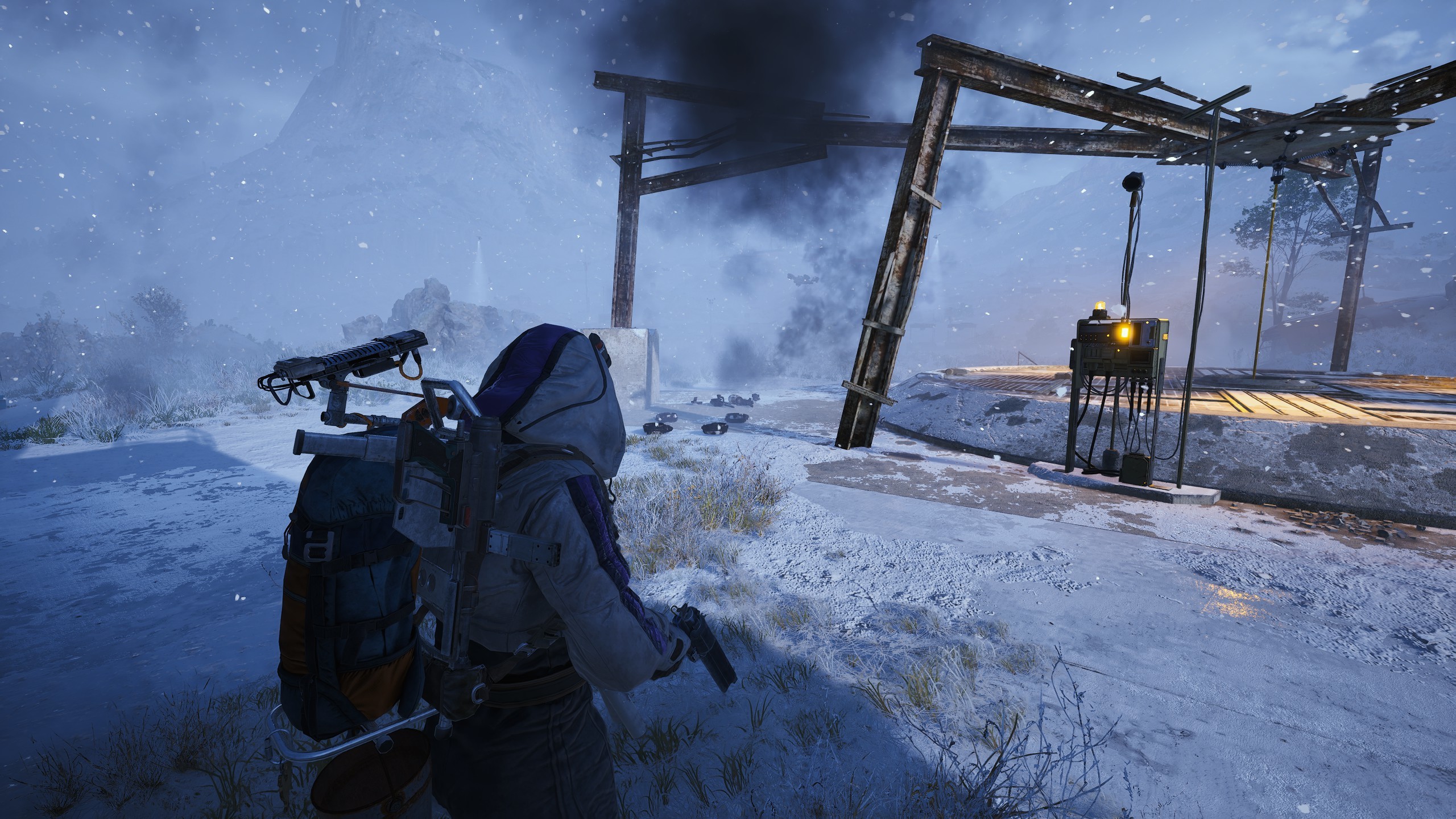
Arc Raiders Boosting 101: Everything You Need to Know to Level Up Fast
What is Arc Raiders Boosting? Boosting in Arc Raiders is a service where experienced players perform…
World of Warcraft Forever Gold: A Planner’s Auction House Notes
I have never enjoyed farming for its own sake. The idea of circling an empty zone for three hours while staring at mini-map icons has always felt like an uninspired substitute for actual gameplay. What I genuinely enjoy is systems design: creating a reliable operational plan that runs quietly in the background while I engage with the parts of the game that actually matter. I want to run dungeons to push for item upgrades, work through questlines to experience the world, and let the Auction House silently handle my balance sheet while I sleep.
Over the past year in WoW Forever, I committed to treating currency accumulation as a secondary byproduct of good habits rather than an unpaid shift. These notes document the rules, calculations, and mindset shifts that turned in-game finance from an exhausting chore into a frictionless background process.
The Foundation: Wealth as a Byproduct of Intentional Play
The standard player trap in World of Warcraft is viewing gold making as an isolated, manual activity that must be completed before you are allowed to have fun. Players log on, force themselves through two hours of gathering, exhaust their mental energy, and then limp into their scheduled raid group feeling drained.
A planner flips that equation entirely. Every meaningful activity in the game naturally generates value if you establish proper salvage pipelines:
- Dungeons and Keystone Runs: Beyond the immediate gear upgrades, dungeons produce high-value trade goods through disenchanting, cloth drops, lockboxes, and bind-on-equip drops that carry consistent market value.
- Open-World Questing: Leveling and reputation grinds yield high volumes of crafting reagents, specialized vendor items, and regional recipes that hasty players bypass entirely.
- Systematic Liquidation: Instead of hoarding semi-rare items across ten different bank alts, a clean pipeline immediately routes all trade goods into a central bank character to be batched and sold without emotional attachment.
When your everyday activities are structured to capture residual value, you never need to schedule dedicated farming days just to afford your baseline raid supplies.
Three Rules I Never Break Under Any Circumstances
Sustainable bank management is defined more by what you refuse to do than what you actively execute. Over months of market testing, I settled on three non-negotiable boundaries that protect both my capital and my sanity.
Rule 1: Never Farm While Fatigued
The hidden cost of tired farming is catastrophic. When you log in exhausted late at night to squeeze out a few extra resource nodes, your efficiency plummets. You miss node spawns, take poor flight paths, get dismounted by wandering mobs, and make reckless tactical choices that result in corpse runs.
Worse still, mental fatigue destroys your discipline at the Auction House. Tired players make careless listing errors—such as forgetting a zero on a high-value buyout price or accidentally posting valuable reagents at vendor floor values. They also make sloppy inventory decisions, vendor-trashing items that should have been disenchanted or auctioned. If your eyes are heavy, the most profitable decision you can make is pressing the exit button and saving your focus for the next day.
Rule 2: Refuse to Fight in Undercut Wars
The single biggest time sink in the modern Auction House ecosystem is cancel-scanning. Players post an item, sit at the mailbox for forty minutes, cancel their listing the second someone undercuts them by a single copper, and immediately relist. This creates an aggressive time drain that transforms an automated marketplace into an active, stressful mini-game.
My operational rule is strict: post once, walk away, and evaluate the results twenty-four hours later. I list materials in standardized stack sizes during peak evening traffic windows, pricing them at fair historical medians rather than desperate panic floors. As high-volume buyers clear out the market during prime raiding hours, secondary and tertiary listings naturally sell out once the cheaper inventory is absorbed. Stepping away from the marketplace protects your gaming hours, leaving the cancel-scan rat race to automated bots and stressed competitors.
Rule 3: Enforce an Absolute Spending Freeze During Launch Windows
The opening fortnight of a new raid tier, seasonal split, or major content patch is a financial trap designed to fleece impatient players. Brand-new crafted gear, world-drop BoEs, novelty toys, and early-tier consumables always trade at irrational, speculative premiums driven by fear of missing out.
A patient player views launch week strictly as a seller’s window, never a buyer’s. The price curve of modern MMO economies is universally predictable: an item listed for one hundred thousand coins on Wednesday afternoon will routinely settle at twenty thousand coins fourteen days later as supply saturates the market. By relying on dungeon drops, guild sharing, and baseline consumables during the initial wave, you preserve your capital. Let other players pay the impatience tax; you can pick up the exact same power spikes two weeks later at an eighty percent discount.
The Opportunity Cost Epiphany: Calculating Real Value
Every player who manages their own supplies eventually encounters a week where progression demands spike out of control. During one particularly demanding progression push, when double-potting, flask costs, and heavy plate armor repairs threatened to drain my reserves completely, I sat down and opened a world of warcraft forever gold valuation page to cross-reference commercial exchange rates against my personal playtime.
I was not looking to purchase anything; I wanted an objective benchmark for what an hour of manual gathering was mathematically worth. The realization was stark. When I factored in contested node spawns, travel downtime, and market listing fees, my unfocused farming sessions were generating an embarrassingly low return on investment.
More importantly, the math highlighted my worst financial leaks. I realized that simply cutting out three impulsive purchases a month—such as buying an unnecessary vanity mount or overpaying for a marginal ring sidegrade that would be obsolete within a month—retained more liquid wealth than fifteen hours of aggressive herb picking. That realization permanently restructured my priorities. Planning, budgeting, and eliminating wasteful consumption instantly solved the problem that grinding was failing to fix.
The Mental Dividend of a Calm Wallet
The real payoff of structured economic habits has nothing to do with vanity metrics or hoarding massive balances for bragging rights. The payoff is psychological serenity.
When your bags are cleanly organized, your crafting materials are secured days ahead of the weekly reset, and your wallet steadily ticks upward through passive market sales, your entire relationship with the game changes. You walk into your weekly raid lockouts completely detached from logistical stress. You never have to worry about whether a long wipe night will bankrupt your character, and you never have to hesitate before popping expensive consumables to secure an encounter kill. A calm in-game wallet translates directly into calm, focused raid performance—and establishing the habits to maintain that freedom is the smartest strategic move a player can make.