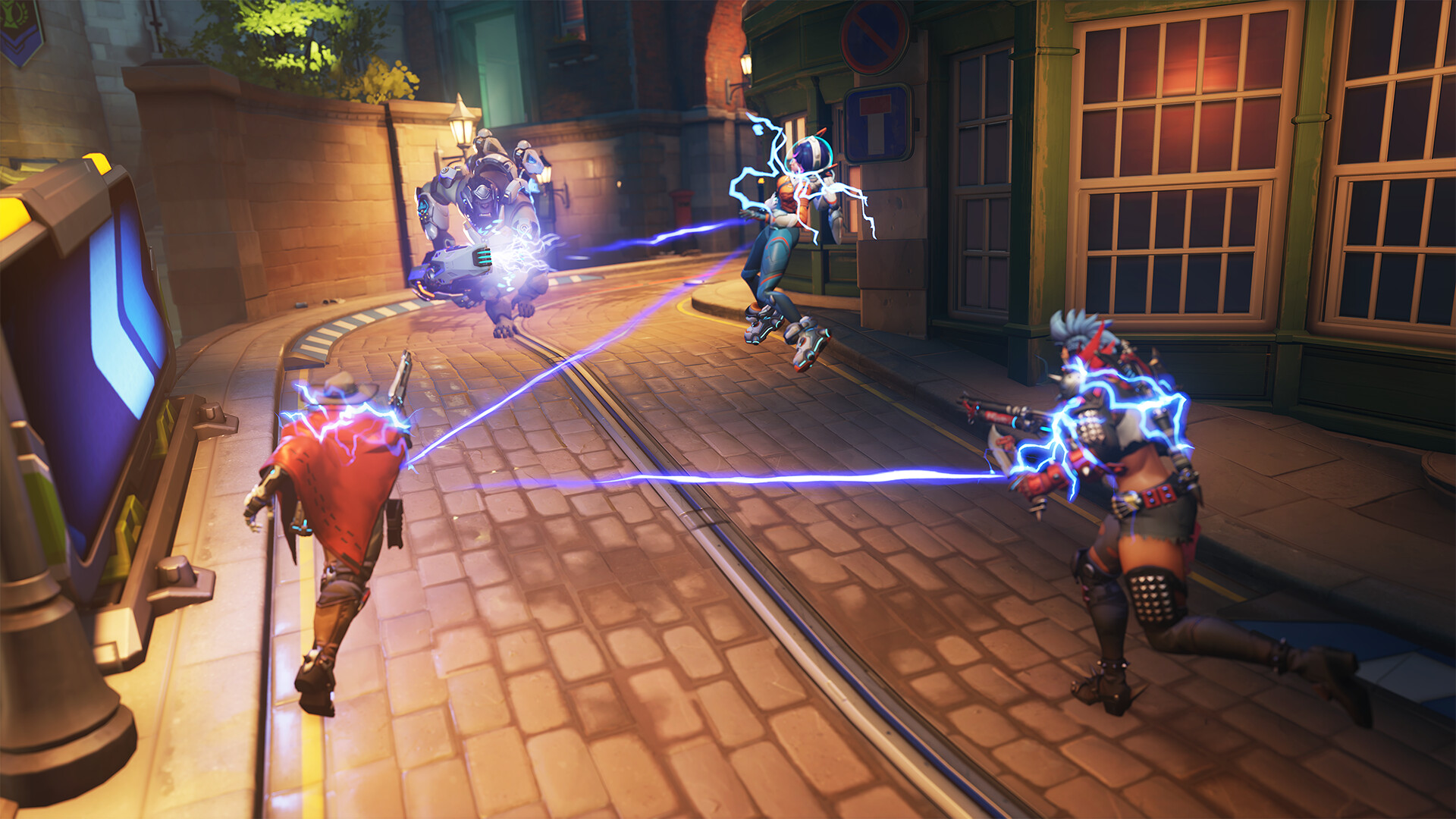
The round begins on Midtown with your tank immediately typing an angry complaint in team chat before anyone even leaves spawn. Ninety seconds later, after an aggressive push crumbles due to staggered deaths, your secondary support disconnects without warning, triggering the dreaded red warning banner across the screen.
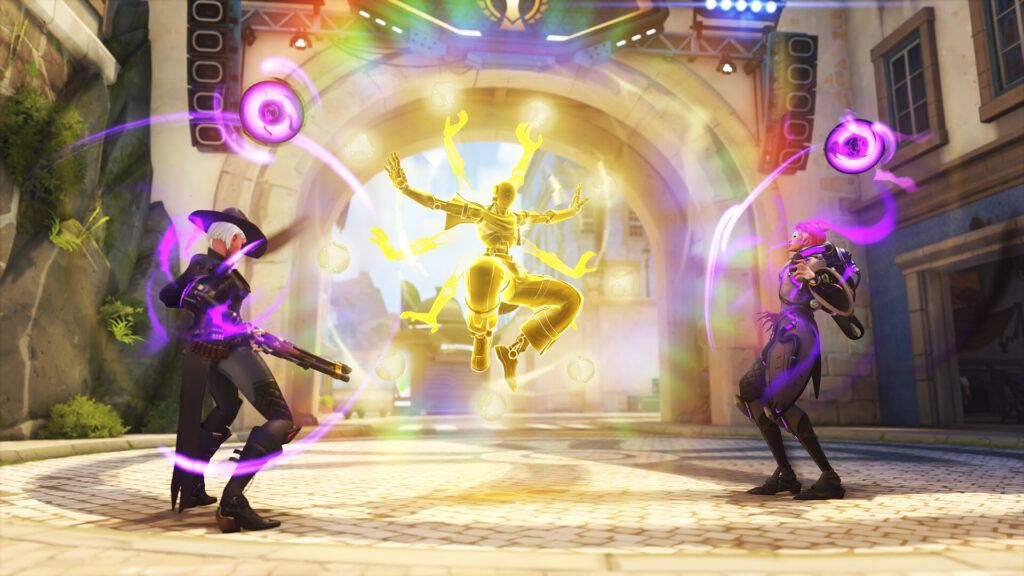
You are stuck defending a five-on-four deficit, helpless as the enemy team rolls the cart unchecked while your rank progress plummets. Securing an Overwatch Boost breaks you out of this demoralizing cycle by transferring your account out of brackets dominated by volatile, low-commitment players. Solo queue at mid-tier ranks often turns into a test of mental endurance rather than tactical ability, where coin-flip matchmaking decides whether your team actually attempts to contest points. You can track enemy ultimates flawlessly, land high-impact cooldowns, and maintain solid positioning, yet none of it offsets a player who intentionally feeds or quits after losing a single team fight. Escaping these environments requires more than patience; it demands a clean exit strategy that respects your finite gaming hours and reconnects you with teammates who want to compete.
The Hidden Emotional Cost of Solo Queue Matchmaking
Competitive gaming should generate tension and thrill, yet persistent toxicity turns entire evening sessions into bitter grinds that ruin your mood. When every third match features someone throwing because their favorite hero got picked or screaming over voice channels after an early death, your focus shifts from self-improvement to damage control. You stop thinking about counter-picking or timing combined ultimate abilities because you are constantly trying to mediate team arguments or salvage lost fights.
This chronic frustration creates personal tilt, which quietly degrades your own reaction speeds and decision-making over time. You start taking reckless duels, predicting team failures before they happen, and losing matches that were entirely winnable. The modern matchmaking algorithm does not account for player temperament; it simply groups accounts by MMR, throwing disciplined players together with unhinged quitters who ruin games on disposable alternate accounts. Sacrificing your mental stamina trying to teach basic teamwork to players who thrive on chaos is an exercise in futility. Recognizing that the environment itself is broken allows you to stop blaming your mechanics and look for real solutions.
Why Bad Teammates Distort Your Perception of Performance
Playing inside disarranged lobbies creates a distorted feedback loop that makes accurate self-evaluation nearly impossible. For example, playing Ana or Kiriko behind a tank who charges around blind corners leaves you isolated, vulnerable to dive heroes, and incapable of generating offensive pressure. When your tank dies instantly, your healing statistics look terrible, your death count spikes, and angry teammates blame you for lack of sustain. In reality, your positioning was sound, but the surrounding team play was so fundamentally flawed that correct fundamentals resulted in immediate failure. Relying on an Overwatch Boost circumvents this structural breakdown by placing you in ranks where basic positioning earns reliable peel and protection. When your front line holds space correctly, your utility suddenly shines, granting you opportunities to land anti-heal grenades or clutch cleansing suzus that turn decisive fights. You cannot diagnose personal flaws when your baseline matches resemble chaotic deathmatches rather than structured objective skirmishes. Climbing out of low-tier mud clears away the noise, enabling you to build genuine competitive instincts that match high-level play.
Selecting an Overwatch Boosting to Reclaim Control of Your Experience
Deciding to purchase an Overwatch Boost is fundamentally an exercise in risk mitigation and time conservation. Instead of betting your evening on whether your randomly assigned tank has a stable internet connection, you secure dedicated assistance from high-tier competitors who understand macro-rotations inside and out. These players know how to shut down enemy carries, control objective bottlenecks, and stabilize games that would otherwise spiral out of control. By neutralizing the RNG factor that plagues the solo queue ladder, you accelerate past the brackets where match abandonment is most rampant. Many players spend entire competitive seasons stuck in Gold or Platinum simply because bad streaks wipe out hard-earned progress in a single evening. Partnering with skilled players or having your account piloted past these chaotic choke points eliminates hundreds of hours of pointless, repetitive grind. You protect your rating from the whims of griefers while gaining direct access to lobbies where games are decided by genuine strategy, refined hero synergy, and calculated execution.
Thriving Once You Reach Structured High-Tier Matches
A widespread misconception suggests that higher ranks feel more stressful, yet most players who utilize an Overwatch Boosting report the exact opposite experience. While the pacing in Master and Grandmaster matches is undeniably faster, it is also vastly more coherent and predictable. Players in these tiers communicate cleanly, call out enemy cooldowns, and stagger their ultimate abilities rather than blowing five ultimates in a single panicky response. When you play support, your damage dealers actively guard your flanks; when you play tank, your team moves with your aggression instead of idling behind cover. The emotional exhaustion of low-tier matchmaking stems from having to anticipate and compensate for irrational blunders from your own allies. In high-level lobbies, you only need to focus on your specific job and outplay your direct match-up. The relief of playing beside competent teammates who share your dedication revitalizes your enjoyment of the entire game. You no longer dread queuing up for another round because you know that even in defeat, the match was a legitimate competition rather than a frustrating farce.
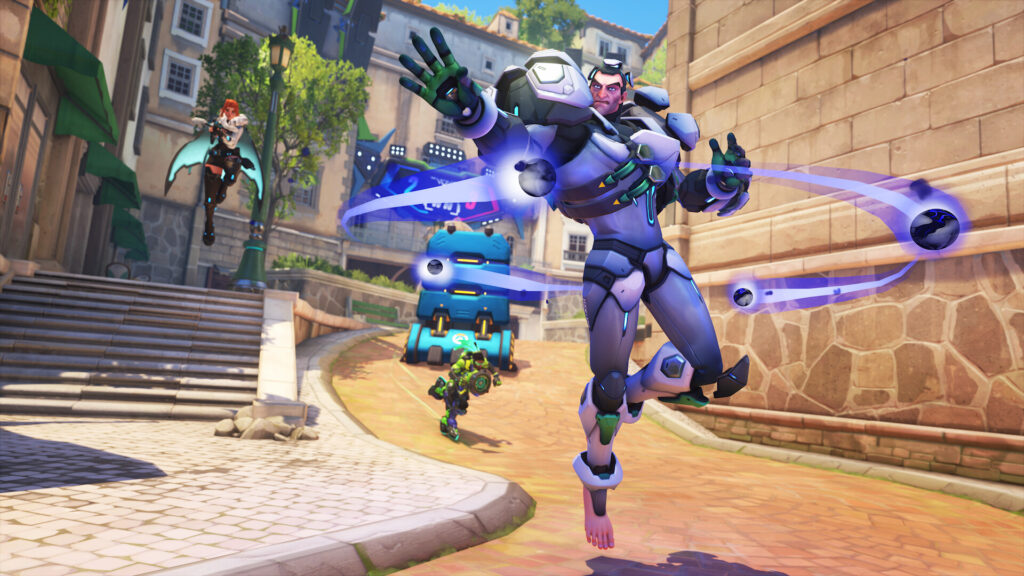
Your leisure hours are far too valuable to spend acting as an unwilling babysitter for volatile internet strangers who abandon matches on a whim. The ladder was constructed to reward tactical coordination, yet solo queue frequently punishes dedicated players through flawed matchmaking weighting and toxic lobby dynamics. Continuing to throw yourself against a wall of leavers and griefers will not suddenly produce a balanced match; it will only wear down your patience until you quit playing altogether. Making a conscious decision to bypass that dysfunction gives you back the game you actually purchased and fell in love with. You gain the freedom to test your limits against skilled opponents, participate in balanced team fights, and watch your tactical instincts produce tangible victories. Break away from the bottom brackets that hold your competitive journey hostage, leave the toxic habits of disorganized teams behind, and give yourself the quality competitive environment you have worked so hard to experience.